
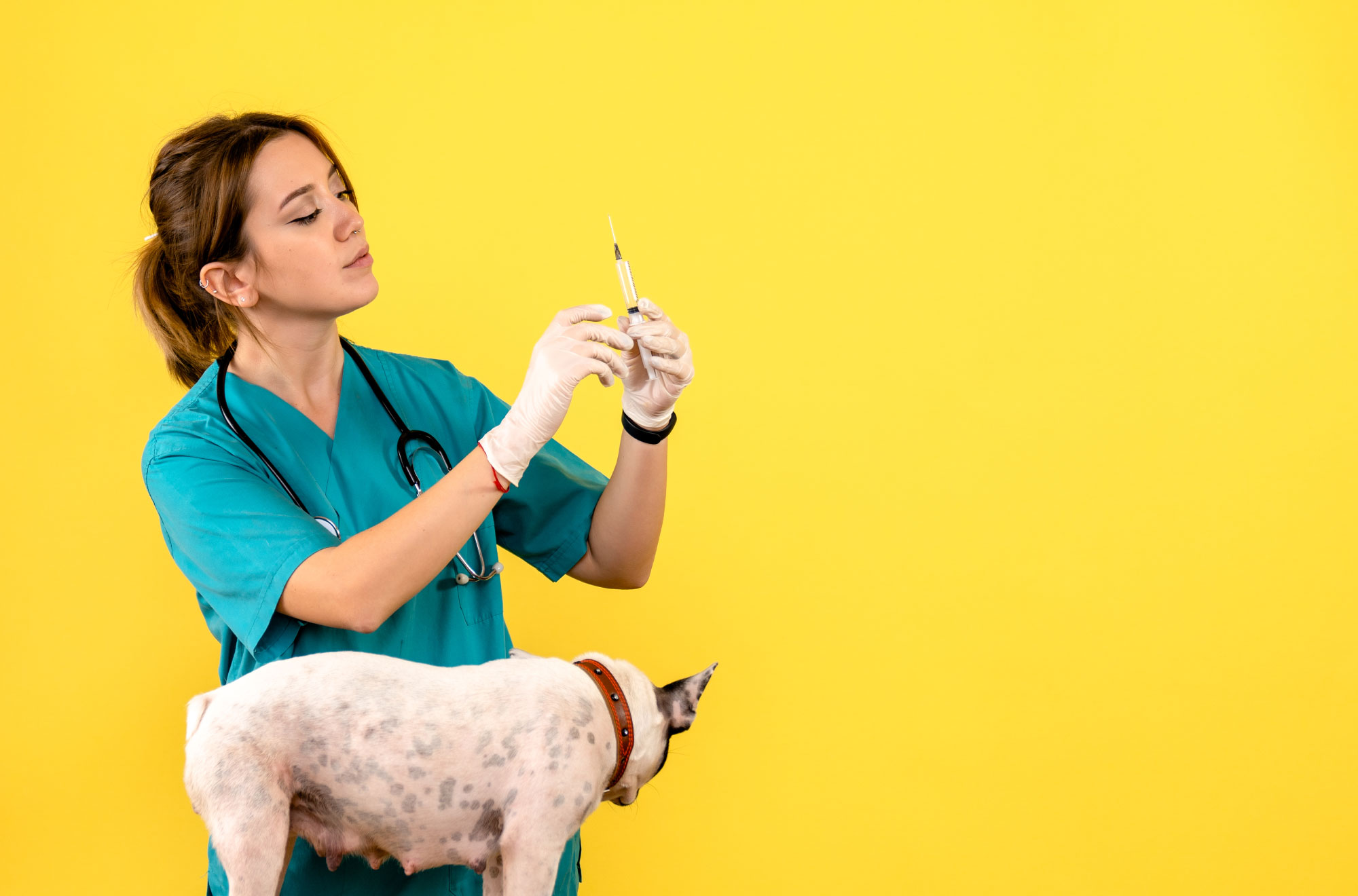
There is an immunity difference between our friends on the street and our friends at home, and those born and raised on the street ‘most of the time’ build up their immunity naturally. But this is not the case for our friends at home. Vaccination is not compulsory, but it is an essential requirement. The most basic answer to the question “What happens if we vaccinate?” is as follows: When the vaccine is injected into our little friends’ bodies, it introduces them to an infection. It creates antibodies to help the body recognize and fight it. These antibodies attach to the infections in their bodies and begin to destroy them. In this way, their bodies learn to fight viruses and bacteria and create a shield against disease.
Apart from internal and external parasites, the most well-known vaccines are combination vaccines or rabies vaccines for dogs. Combination vaccines prevent our friends from infecting each other and rabies-like vaccines prevent them from infecting us with any infectious disease. But can we get infected while they infect each other? Let’s remember what zoonosis is without going too far back in history. There are diseases we all know, such as dysentery, anthrax, bird flu and rabies, which are transmitted from animals to humans. Do not forget that we breathe the same air, often sleep in the same bed, clean their toilets! For their health, and then for our own health, let’s try to follow the vaccination schedule set by our veterinarian. It may be too late to prevent the diseases that our unvaccinated friends face in the future. Even though they were “too costly” at that time, we may have to pay much more money and must treat them for much longer periods of time because of the vaccines that we did not get.