
Almost anything can cause stress for cats. It could be traveling in a cat box, having a new friend in the house, constantly moving things around, changing the food, trying to stroke them in a way they don’t like, dirty cat litter, smells they don’t like, or some health problems we can’t understand. Before you take your cat friend to the veterinarian or before you go on long trips, you can put wet food in the cat box as a rehearsal. If you repeat this from time to time, at least you will not have to worry about putting your little friend in a cat box. Cats are creatures of habit and therefore they love the routines. Having their favorite things in the same place is a sign of peace for them. It’s not only the furniture in the house that should stay the same but also their cat house or their food and water bowls. This is also why they tend to run away or hide when they feel uneasy and insecure. The cleanliness of the litter boxes of our cat friends, who are very fond of their hygiene, is one of the most important things. A clean litter box is essential for both their health and ours. They may leave poop or urine outside the litter box due to stress. In addition, if they are constantly licking or scratching themselves, we can understand that they are stressed. Skin flaking or scratching can also be stress-related and may be a sign of lice or eczema. It is best to consult our veterinarian to make the most accurate diagnosis and start treatment. In addition, the air fresheners we use to make the house smell good, surface cleaners, and the loud noise of the vacuum cleaner we use to clean the house can also cause them stress. We haven’t forgotten to mention the strange guests who come to the house or other little friends who will share the house from now on. It’s quite natural for them to hide in the corner when guests come to your house because cats don’t like guests. However, you can try to introduce the new member of the house to your old cat friend under your supervision.

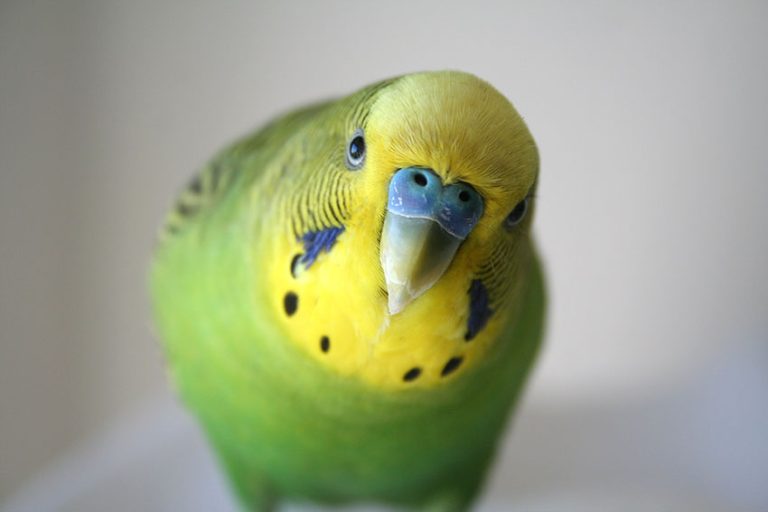
Lice in parakeets
If your little winged friend has lice, it will constantly fluff and pluck its feathers. They also exhibit aggressive behavior and are unable to feed
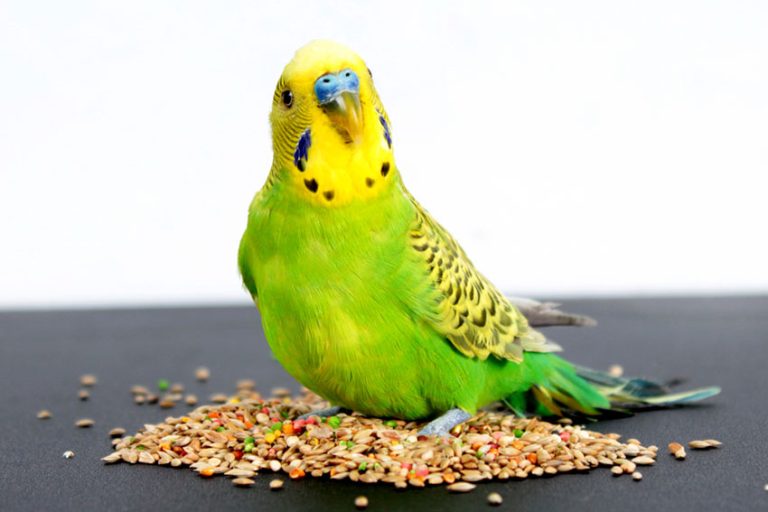
Budgerigar diseases and treatment methods
There are some clues to recognize when your little winged friend is sick. Some of the more common signs include feather ruffling, molting, bleeding of
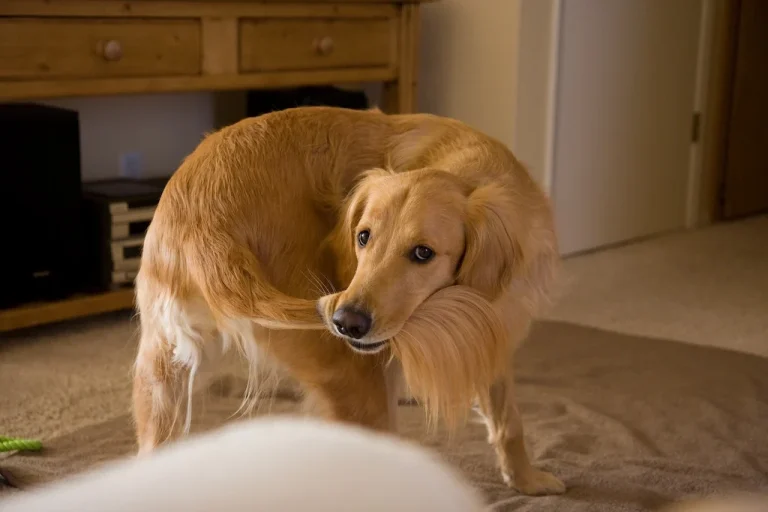
Why do dogs bite their own tails?
Sometimes, when our dog friends are really bored, they will turn around and bite their tails to play and get our attention. Most of the