

If your little winged friend has lice, it will constantly fluff and pluck its feathers. They also exhibit aggressive behavior and are unable to feed their young babies, if any. These lice are especially active at night and feed by sucking your winged friend’s blood. Some bird species also show discoloration of the feathers. Although bathing the birds once a week is offered as a solution, the cage must be completely emptied regularly. Feeders, drinkers, and cage toys, if any, should be thoroughly disinfected. If we are going to be a home for a second little winged friend, our new guest must be checked by a veterinarian for diseases that may be contagious. Otherwise, you will have to keep the winged friends separately in quarantine for long periods of time and the necessary treatments will take longer. There is a possibility of infection from bird food you bought without knowing its quality, another bird settling in front of your window, a toy you bought, or a dirty bird cage.
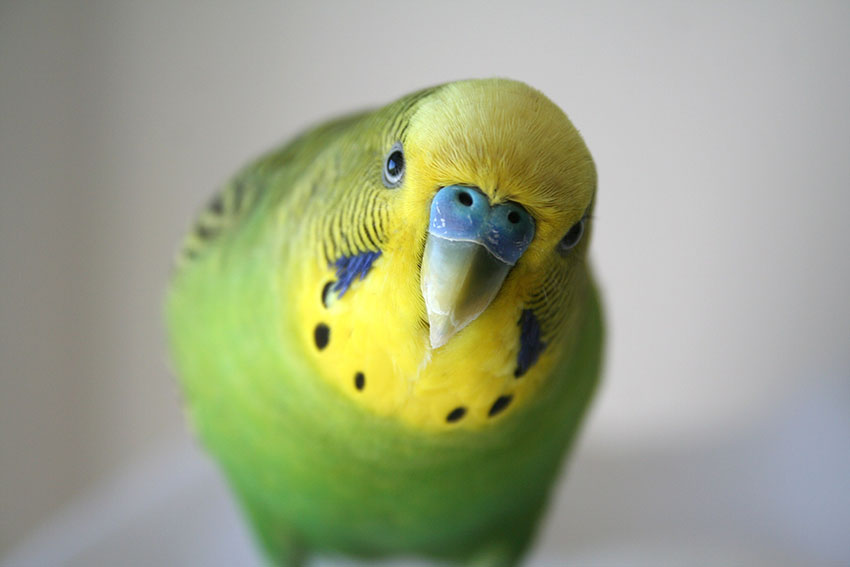

Causes of stress in cats and ways to manage it
Almost anything can cause stress for cats. It could be traveling in a cat box, having a new friend in the house, constantly moving things around, changing the food, trying to stroke them in a way they don’t like, dirty cat litter, smells they don’t like, or some health problems we can’t understand.
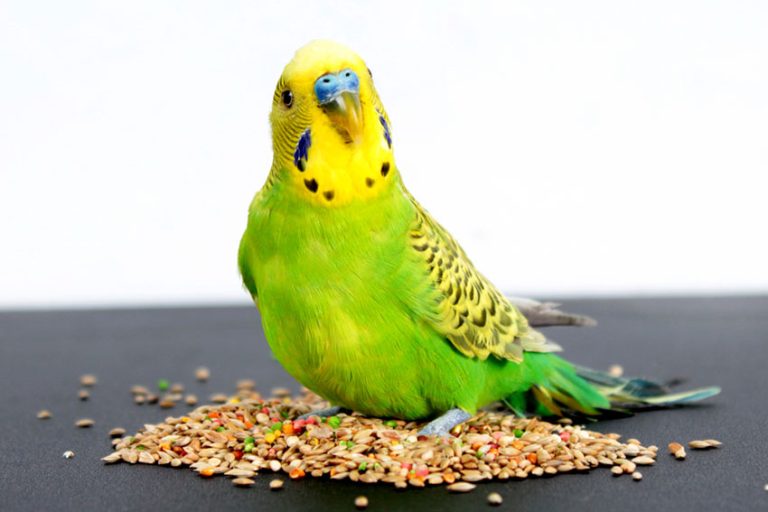
Budgerigar diseases and treatment methods
There are some clues to recognize when your little winged friend is sick. Some of the more common signs include feather ruffling, molting, bleeding of
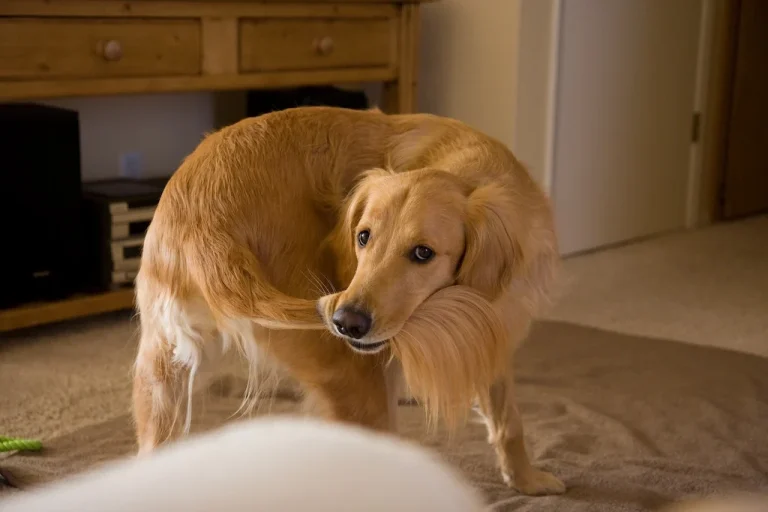
Why do dogs bite their own tails?
Sometimes, when our dog friends are really bored, they will turn around and bite their tails to play and get our attention. Most of the