
Before our baby comes home, while he or she is at home, and even if you are pregnant, our pet friend at home must be fully vaccinated and fully cared for. This is the first step that must be taken as the immune system is weakened during pregnancy. There is a type of infection called toxoplasmosis that is transmitted to humans through animal feces. How? If you don’t wear gloves when cleaning the litter box and then put your hand to your mouth or eat something with your hand, there is a risk of infection. If your pet friend does not go out of the house, and has been fully vaccinated, there is no need to worry. In such cases, vets usually recommend that someone other than the pregnant person should clean the litter box. Since they clean themselves by licking and then lick their fur, it is important to wash our hands after petting our friend in terms of hygiene. There is no danger of parasites infecting us with a contagious disease in any of our friends whose vaccinations have not been neglected. In risky pregnancies, it is enough for your pet to be energized with plenty of play to avoid a sudden paw on your belly. Neutering our pets before puberty or as soon as they are out of heat also prevents them from leaving odors in the house and saves both us and our baby from this problem. If your pet friend is going to sleep with your baby, make sure that the nails are trimmed, that the pet does not lean on your baby while sleeping, and that the food and water bowls are out of your baby’s reach. Children who grow up with a pet friend are more social, more sharing, and happier than other children. After all, they are both our babies.


Causes of stress in cats and ways to manage it
Almost anything can cause stress for cats. It could be traveling in a cat box, having a new friend in the house, constantly moving things around, changing the food, trying to stroke them in a way they don’t like, dirty cat litter, smells they don’t like, or some health problems we can’t understand.
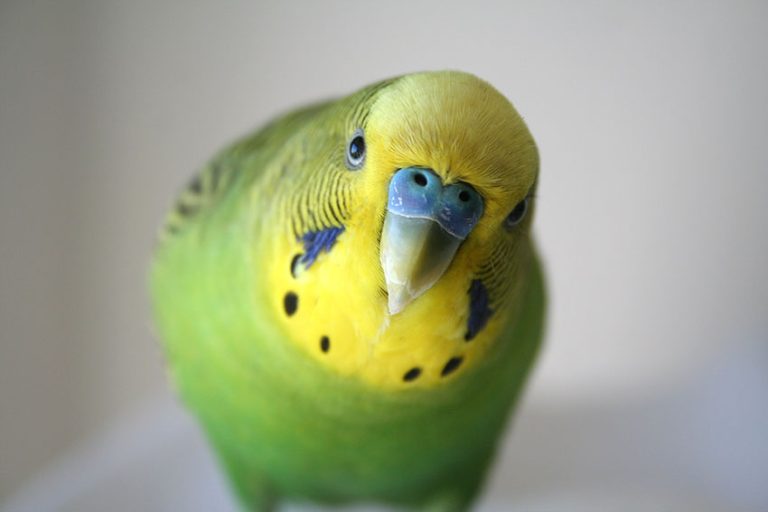
Lice in parakeets
If your little winged friend has lice, it will constantly fluff and pluck its feathers. They also exhibit aggressive behavior and are unable to feed
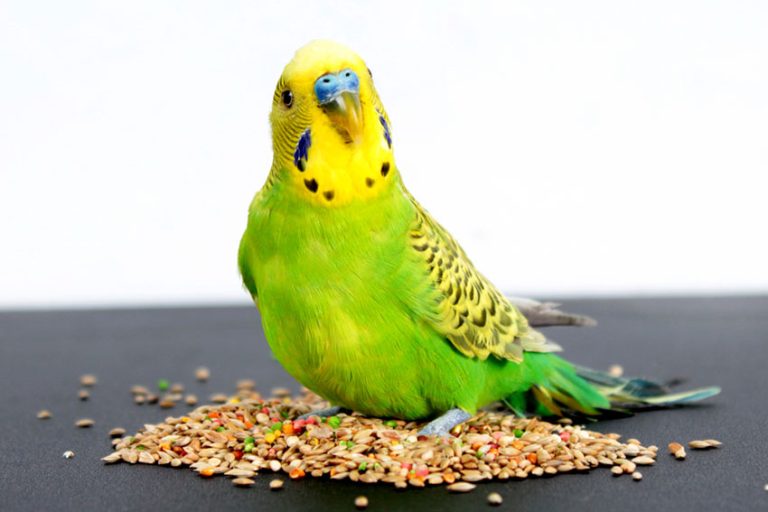
Budgerigar diseases and treatment methods
There are some clues to recognize when your little winged friend is sick. Some of the more common signs include feather ruffling, molting, bleeding of