
Hairballs are precisely why it is so important for our pet friends to be combed regularly, regardless of whether their fur is long or short. Even though our friend licks and cleans himself, they take the fur into their body through their mouth, and this leads to vomiting over time. It is also important to observe how often your little friend cleans itself every day. Our friends who clean themselves less often should be combed more often than others, and not all of them are treated with the must-have anti-hairball malt. Preventive malt facilitates the passage of oral fur into the digestive tract, where it is excreted through the intestinal tract. Without regular combing and malt use, these hairballs will build up in your pet’s stomach, causing pain, gagging, and vomiting. On the contrary, if your pet friend is combing themself much more than usual, this may be a sign of a skin disease or other internal illnesses. If your pet is constantly licking a particular area, it is likely that it has pain or soreness in that area and it would be useful to see a veterinarian.
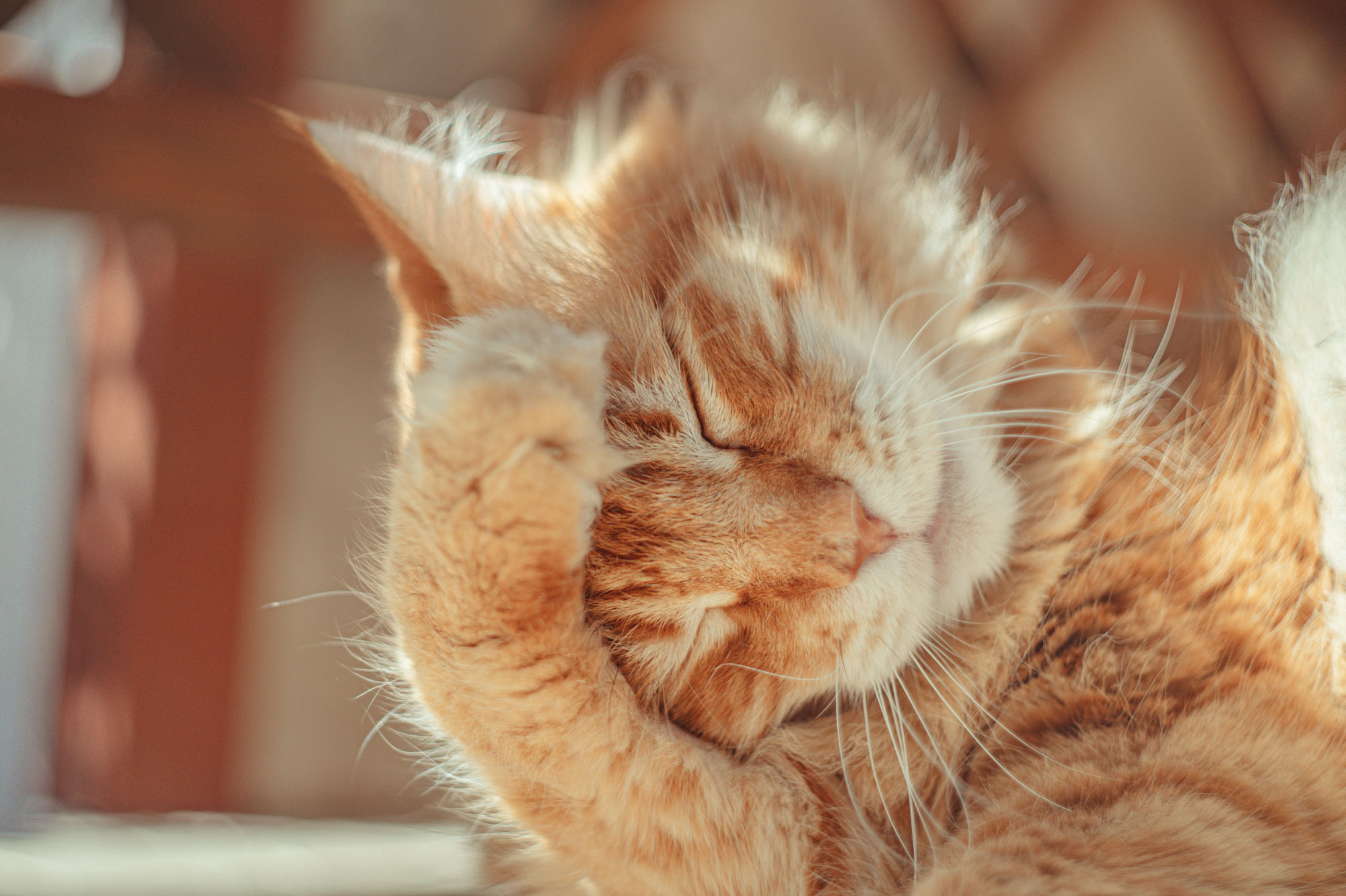

Causes of stress in cats and ways to manage it
Almost anything can cause stress for cats. It could be traveling in a cat box, having a new friend in the house, constantly moving things around, changing the food, trying to stroke them in a way they don’t like, dirty cat litter, smells they don’t like, or some health problems we can’t understand.
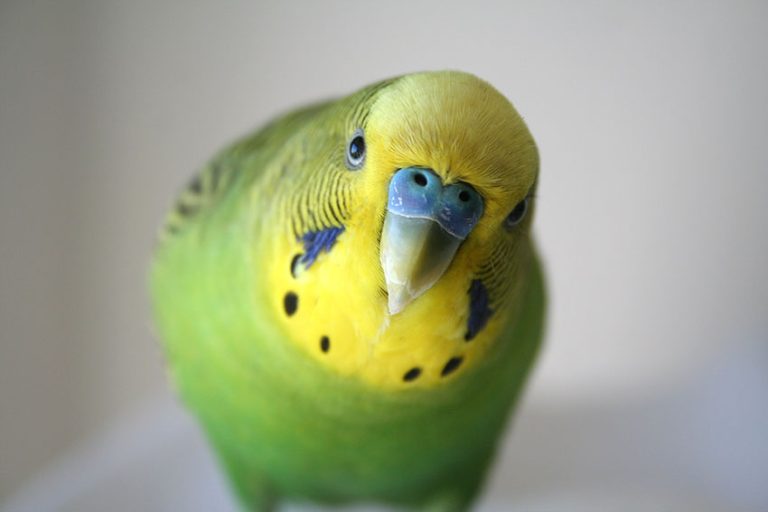
Lice in parakeets
If your little winged friend has lice, it will constantly fluff and pluck its feathers. They also exhibit aggressive behavior and are unable to feed
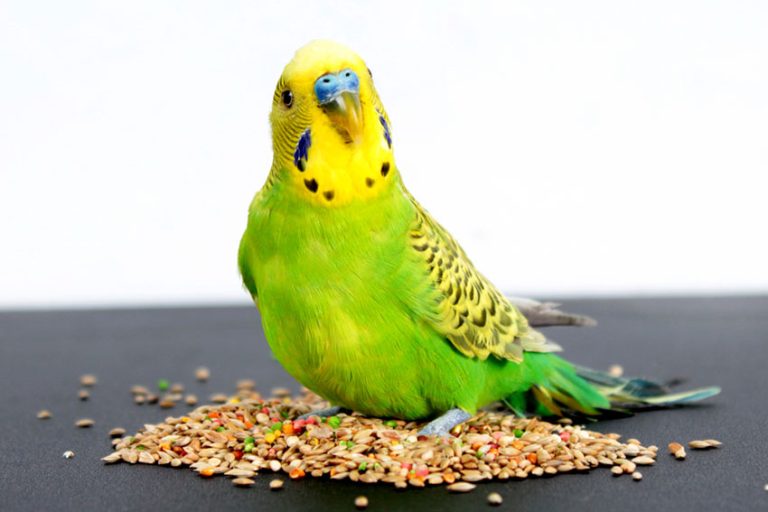
Budgerigar diseases and treatment methods
There are some clues to recognize when your little winged friend is sick. Some of the more common signs include feather ruffling, molting, bleeding of