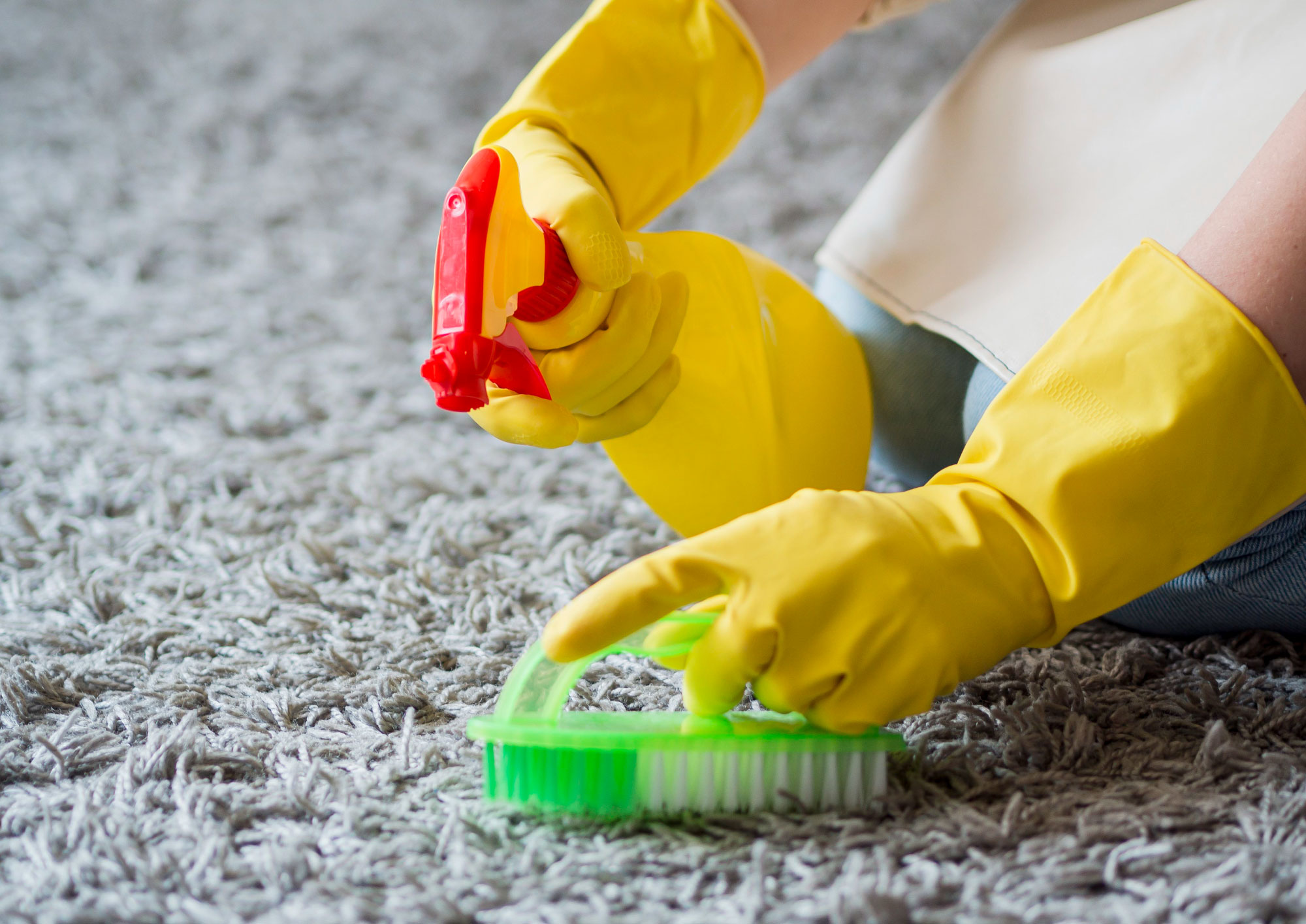
We breathe in the chemicals we use in house cleaning through our airway and take them into our bodies. Our little friends also taste or consume them through their mouths when they eat wet food and lick their paws. In the same way, the air fresheners, fabric fragrances and scented air purifiers we use after cleaning the house (which do not clean the air and just poison us) also cause our pets’ eyes to water more than normal, cause them to cough and sneeze. Sometimes, they can’t open their eyes because they may have sticky eyes and eye drops may need to be used under the supervision of a vet. In addition to all kinds of chemicals, smoking in the house also threatens your pet’s health. The best cleaning is cleaning with clean ingredients or using herbal products. It is inevitable that anything that is harmful to us is harmful to them. If possible, the most natural and harmless way to clean our houses is to use white vinegar. We do not necessarily have to have a robot vacuum cleaner or a vacuum cleaner from a certain brand. It will be enough to ventilate the house for a minimum of 15-20 minutes, comb our pet every day, sweep normally and wipe surfaces with a non-toxic cleaner. Our houses are not an operating room, but a home where we and our pet friends live. Let’s care for our friends as much as we care for ourselves.
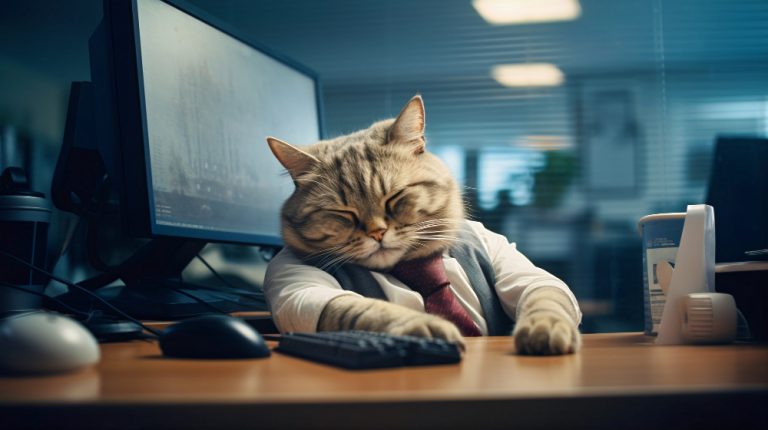
Causes of stress in cats and ways to manage it
Almost anything can cause stress for cats. It could be traveling in a cat box, having a new friend in the house, constantly moving things around, changing the food, trying to stroke them in a way they don’t like, dirty cat litter, smells they don’t like, or some health problems we can’t understand.
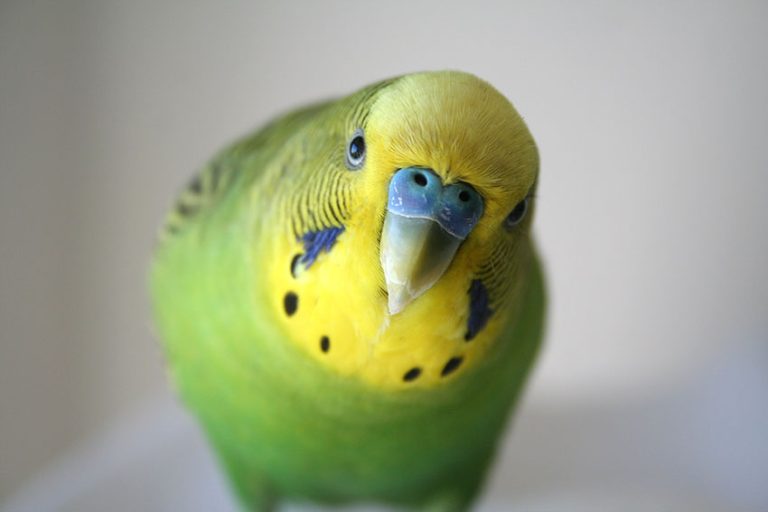
Lice in parakeets
If your little winged friend has lice, it will constantly fluff and pluck its feathers. They also exhibit aggressive behavior and are unable to feed
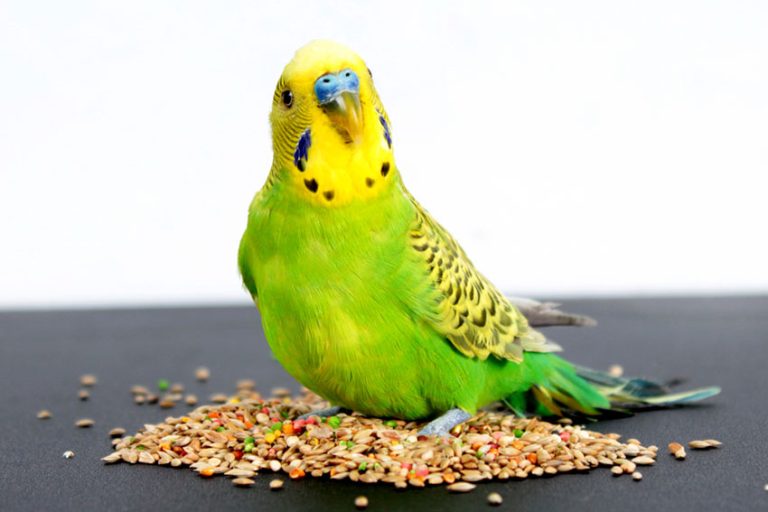
Budgerigar diseases and treatment methods
There are some clues to recognize when your little winged friend is sick. Some of the more common signs include feather ruffling, molting, bleeding of