
The easiest way to find out if your pet friend has fleas is to comb your friend for 5-10 minutes with a fine-toothed comb on a large white sheet that we spread on the floor after removing any rugs. If there are some brown-black colored, bouncing or dead black spots that fall on the white sheet while combing, these are either the larvae left by the fleas, that is, their eggs, or the feces they leave after they suck the blood of your pet. Let’s not forget that flea powders sold on the internet can cause poisoning if used incorrectly. When we take our friend for a combination vaccine once a year or consult a veterinarian for internal and external parasites vaccines, the doctors themselves apply flea medication to a point where they can never lick it. This will help to kill all the fleas on your friend’s body and get rid of fleas. The difference between cats and dogs is that cats react by constantly scratching or licking the flea-bitten area, while dogs are observed to bite after scratching the area. When we take our dog friends out for a long period of time other than defecation, if they have walked on the grass or played in dust, the first thing we do when we bring them home is to give them a bath. If our cat friends have access to the garden through windows or balconies, we need to make sure that they stay at home and do not enter any other environment outside the house. At the same time, making sure that they do not come into contact with other animals is one of the main measures we can take to prevent fleas.


Causes of stress in cats and ways to manage it
Almost anything can cause stress for cats. It could be traveling in a cat box, having a new friend in the house, constantly moving things around, changing the food, trying to stroke them in a way they don’t like, dirty cat litter, smells they don’t like, or some health problems we can’t understand.
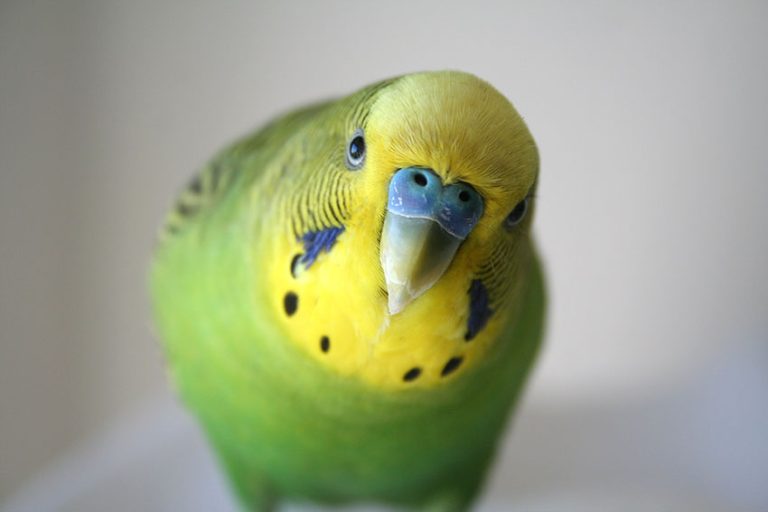
Lice in parakeets
If your little winged friend has lice, it will constantly fluff and pluck its feathers. They also exhibit aggressive behavior and are unable to feed
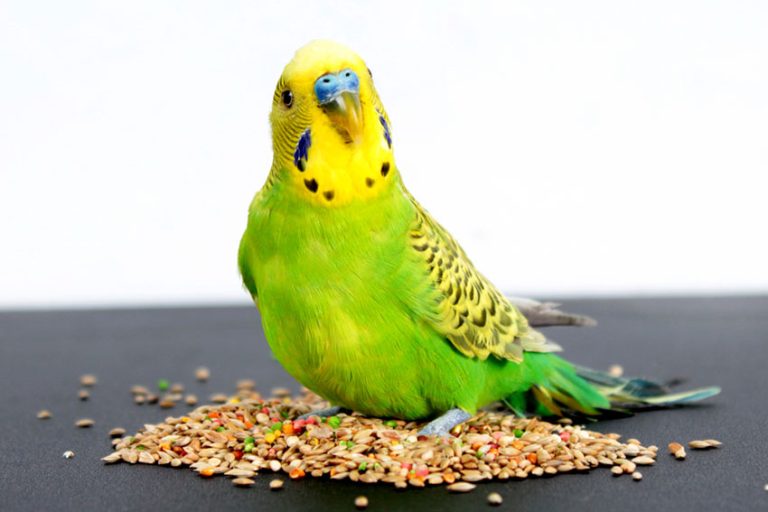
Budgerigar diseases and treatment methods
There are some clues to recognize when your little winged friend is sick. Some of the more common signs include feather ruffling, molting, bleeding of