

It is a common misconception that cat and dog fur can cause cysts in humans. The fur of our cat and dog friends does not cause cysts! It is the eggs of parasites found in the fur of our friends that cause cyst formation. Regular parasite control and parasite vaccines for our friends from the veterinarian will be enough to prevent them. These parasite treatments, especially for our friends at home, are not only very important for their health but also for our health. Sometimes these parasite treatments are postponed, not done, forgotten, or even ignored because our friends at home do not go out and are not in contact with other friends outside. However, it is a fact that parasites can also be transmitted to our little friends who do not go out, by us as carriers from outside. We often encounter people who tell our children not to touch, hold, or feed our little friends on the street, thinking that our little friends on the street will transmit fleas and parasites and that these infected parasites will cause health problems in our children when they touch them. Let’s not kill the love for animals in our children by telling them that they are dirty. Let’s not forget that filth is much more prevalent in the playgrounds where our children play and in the multi-use areas of the shopping malls we frequent.


Causes of stress in cats and ways to manage it
Almost anything can cause stress for cats. It could be traveling in a cat box, having a new friend in the house, constantly moving things around, changing the food, trying to stroke them in a way they don’t like, dirty cat litter, smells they don’t like, or some health problems we can’t understand.
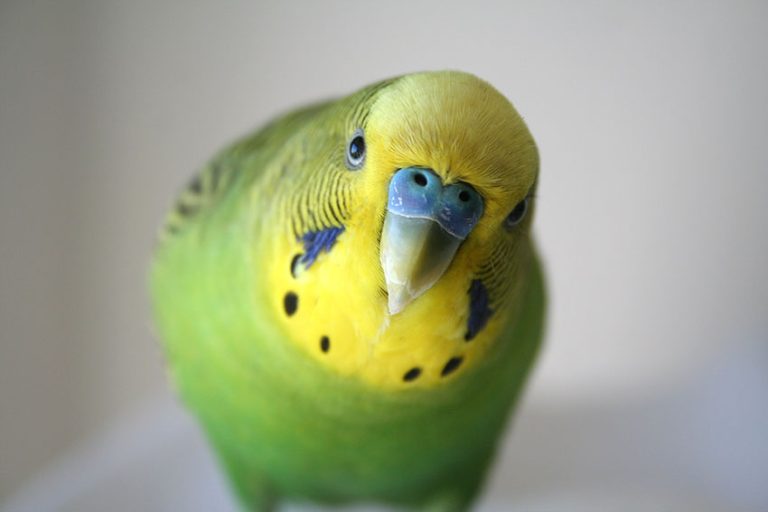
Lice in parakeets
If your little winged friend has lice, it will constantly fluff and pluck its feathers. They also exhibit aggressive behavior and are unable to feed
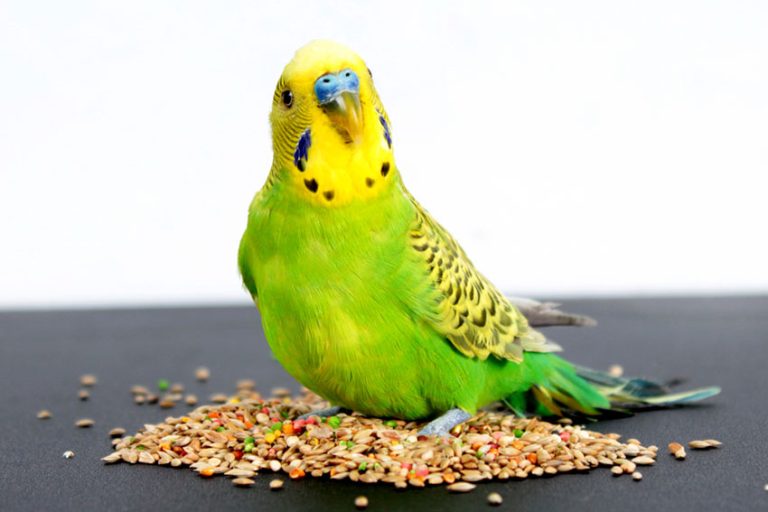
Budgerigar diseases and treatment methods
There are some clues to recognize when your little winged friend is sick. Some of the more common signs include feather ruffling, molting, bleeding of