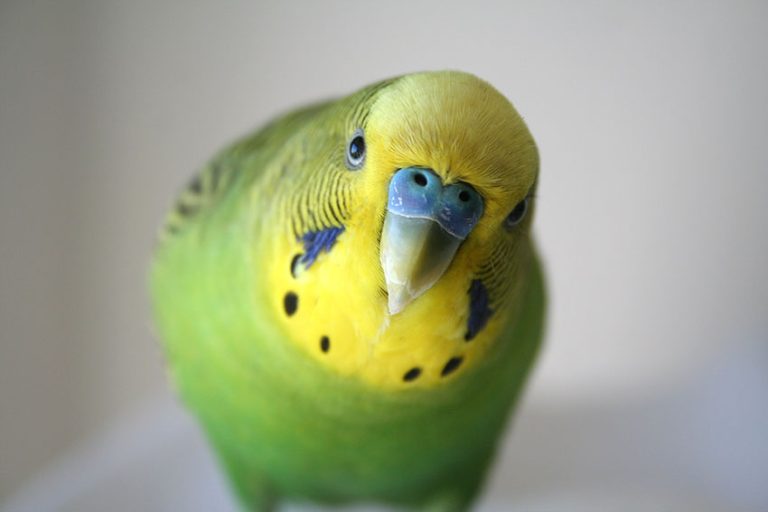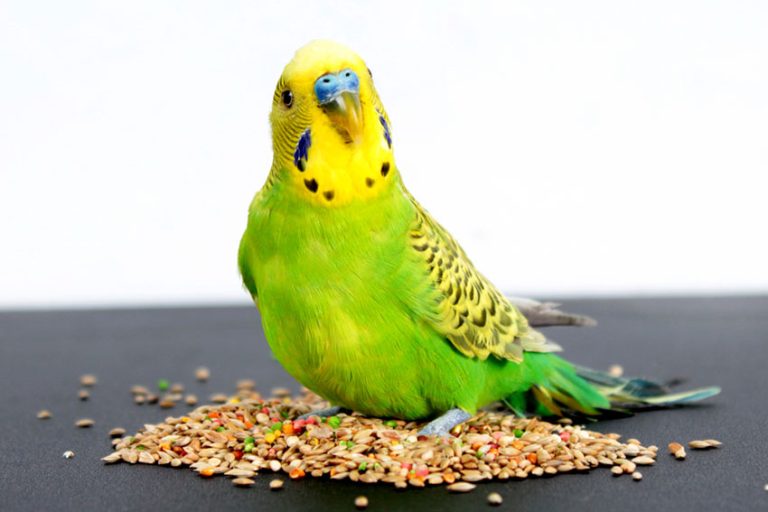

If you have winged friends, the first thing is to check if they are cold. The first way to understand is to look at their feathers. If your little friend is ruffling its feathers and is constantly sleeping, then it means that it is cold. Of course, we need to make sure that the room temperature is at least 23-24 degrees, not only for birds but for all pet friends. Sometimes, people cover their cages completely to keep them warm. Instead, closing certain parts of the cage can at least preserve the existing heat and prevent cold coming from different areas.
What should I pay attention to if I have a cat or a dog friend?
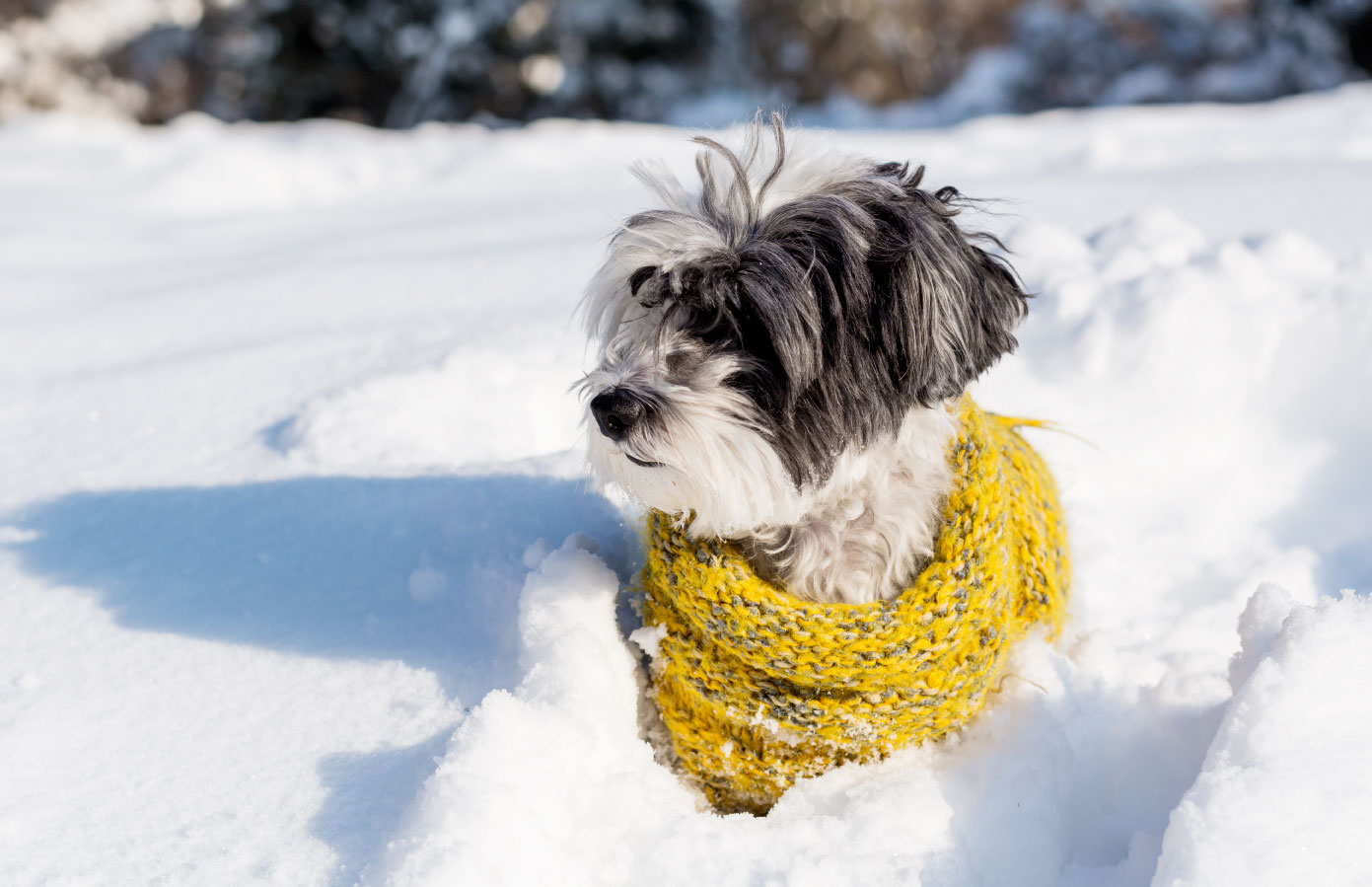
First, you need to take care of their fur regularly. From summer to winter and winter to summer, our friends lose their fur, especially in the winter months. If you have time, combing every day, if not, every other day will be wonderful. Since they need more protein in winter, a proper diet should be planned, and supplements should not be forgotten. The way to understand if our cat or dog friend is cold is if their paws, nose, and inside parts of their ears are cold, if they are huddling and looking for a corner, they may feel cold. In this case, if there are specially produced heating mats for our pet friends that we can put underneath them. If not, we can make a place for them at home with blankets and make them shelter with us at room temperature in our own environment. If you have a dog friend and you need to go out in winter, especially in snowy weather, you should wash their paws with warm water and dry them when you get home. The reason for this is the salt or sand-like chemicals used to melt snow on the street in winter. When they come home, they will want to clean themselves and lick their paws. To prevent such situations, special cleaning wipes that do not require water can be used or you can wash their paws with warm water.