
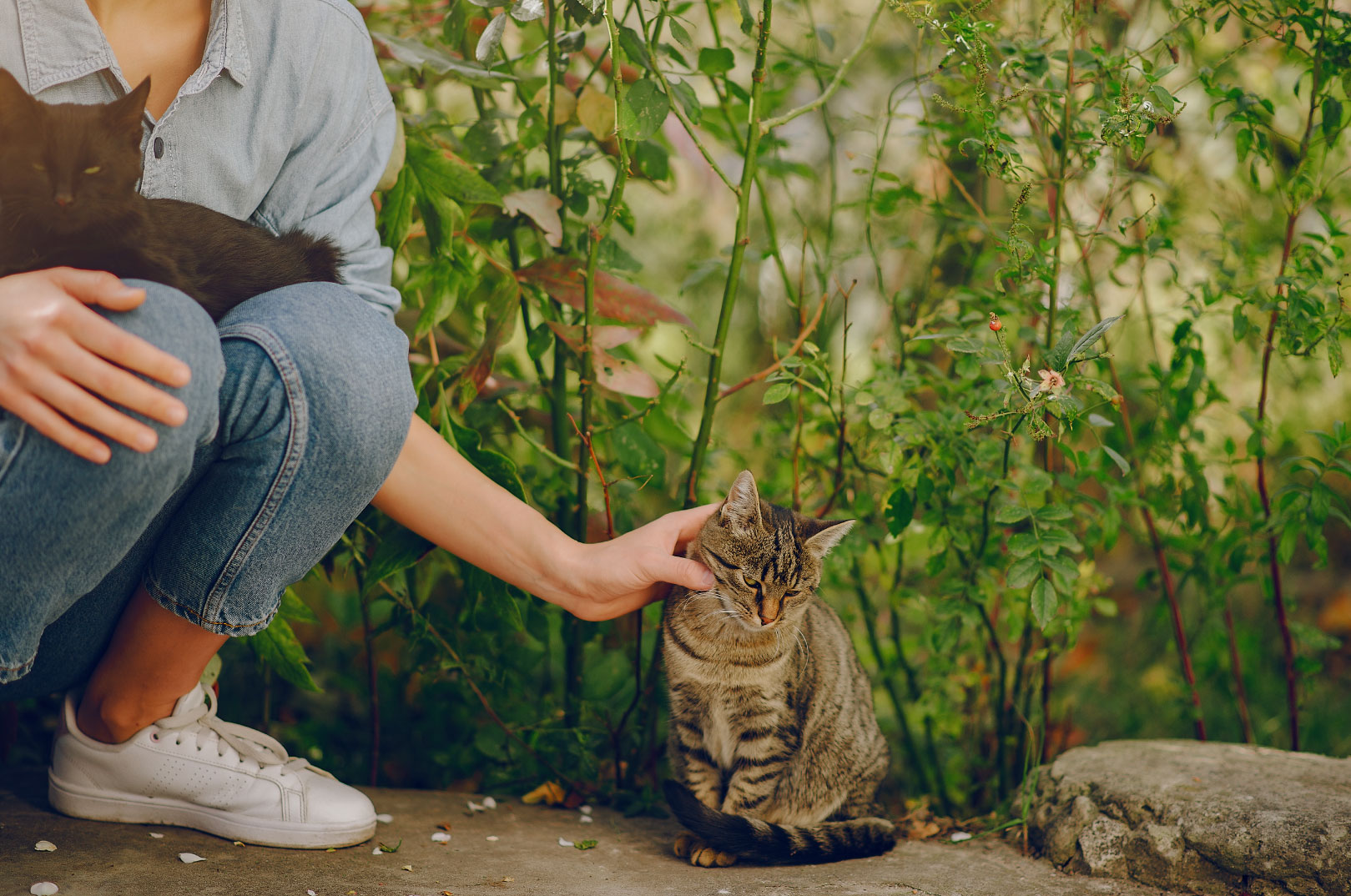
While feeding not only our friends at home but also our friends on the street, there are many things to consider. First, we must say that the people around us, unfortunately, do not always welcome us while feeding these friends with good intentions. They say that there are flies in front of their houses, that their children are afraid of these street animals, and that our friends jump into their houses when they find the window open. Even if these scenarios are true, conscious feeding will both protect our friends and break these taboos of people. Always remembering that water is life, we can leave a container of water in front of our apartments – but in a corner where our friends will not be disturbed. We should change this water container regularly because as you may have witnessed, sometimes water containers get mossy.
When giving leftovers from home cooking, we need to make sure that they are cut into small pieces, boneless, well cooked, and not sweet. We all know that wishbones -small chicken bones- can sink into the visceral organs of animals and cause hematocele. Please make sure that the food and water bowls you put out for our friends on the street are away from thoroughfares.
In fact, choosing corners to feed them away from crowds of people can prevent bad comments. Let’s not forget that feeding very early in the morning and very late at night means that the bad comments will be minimized too as it will be an action away from all eyes. Putting all kinds of food and liquids in a container rather than pouring them on the floor offers them a clean meal and isolated corners become a safe feeding corner.